Why network choice matters in Kyoto
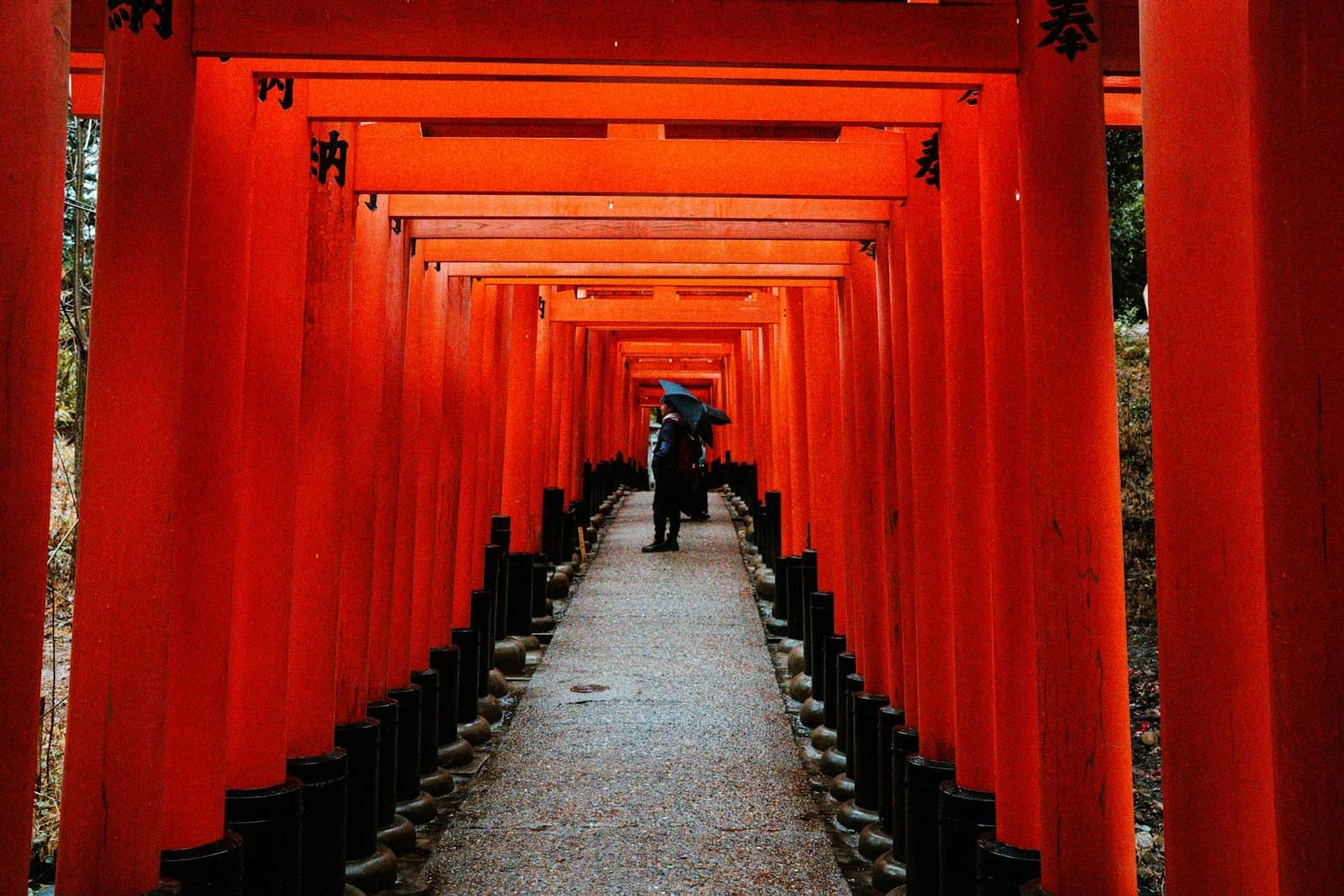
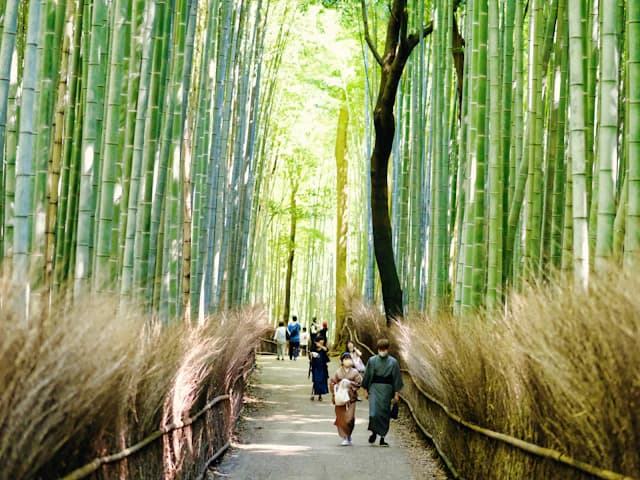
Unlike Tokyo, Kyoto has significant rural coverage gaps. The famous sightseeing spots — Fushimi Inari's upper mountain, the deep sections of Arashiyama bamboo grove, and mountain villages like Kurama and Kibune — are areas where some eSIM providers simply don't reach.
Japan Wireless provides access to NTT DOCOMO, which has the strongest coverage in rural Kyoto prefectural areas. Airalo Japan plans, by contrast, do not include DOCOMO — a meaningful gap for Kyoto travel beyond the city center.
For temple navigation, Kyoto's bus system is notoriously complex. Google Maps Transit with real-time data is essential — you'll want reliable data at every bus stop, not just in the city core.
Coverage at Kyoto's top sightseeing spots
| Location | Coverage |
|---|---|
| Kyoto Station | 5G |
| Gion / Higashiyama | 4G/5G |
| Fushimi Inari (base) | 4G/5G |
| Fushimi Inari (summit) | 4G (DOCOMO best) |
| Arashiyama station | 4G/5G |
| Bamboo Grove path | 4G (intermittent) |
| Kinkaku-ji (Golden Pavilion) | 4G/5G |
| Nishiki Market | 5G |
| Kurama / Kibune | 4G (DOCOMO) |
Recommended plans for Kyoto
3-day Unlimited 5G
KYOTO-ONLY TRIPSCovers the standard 2–3 day Kyoto circuit: Arashiyama, Fushimi Inari, Gion, Kinkaku-ji, Nishiki Market.
See 3-day plan →7-day Unlimited 5G
Best if you're based in Osaka doing Kyoto + Nara day trips. Covers the full Kansai region with one plan.
See 7-day plan →Frequently Asked Questions
Is there mobile signal inside Kyoto temples?
Most major Kyoto temples have outdoor areas with good 4G signal on DOCOMO and KDDI. Indoor shrine buildings and deep forest paths (e.g., Arashiyama bamboo grove interior) may have weaker signal, but coverage resumes immediately upon exiting. For navigation in Arashiyama, download offline maps before arriving.
Does an eSIM work on Kyoto buses and trains?
Yes. Kyoto City buses and the Kintetsu and Hankyu private lines all have mobile coverage. The JR Sagano Line to Arashiyama and the subway lines have reliable 4G. Keep Google Maps Transit open for Kyoto's complex bus network — it's the primary way locals navigate.
How many days eSIM do I need for Kyoto?
Most visitors spend 2–3 days in Kyoto. If you're basing yourself in Osaka and day-tripping to Kyoto, the same Japan Wireless eSIM covers both — no separate plan needed. For Kyoto-only trips, a 3-day plan is the right fit.
Is there signal at Fushimi Inari Taisha?
Yes, at the base and lower torii gates there is strong 4G signal. As you climb higher on the mountain path (the full hike takes 2–3 hours), signal weakens in the dense forest sections but returns at the summit. DOCOMO has the most consistent coverage on the upper mountain sections.
What about signal in Arashiyama and rural Kyoto?
Arashiyama station area and Tenryu-ji have reliable 4G. The bamboo grove path itself may dip to slower speeds due to canopy density, but signal is present. More remote Kyoto areas like Kurama and Kibune have 4G on DOCOMO — this is one reason Japan Wireless's DOCOMO network access matters for Kyoto versus eSIM providers that don't include it.
Coverage where other eSIMs drop out — DOCOMO mountain signal.
Instant QR · No airport queue · English support 7 days/week
Other destinations